Why Tyres May Need Replacing Even If They Don't Look Worn
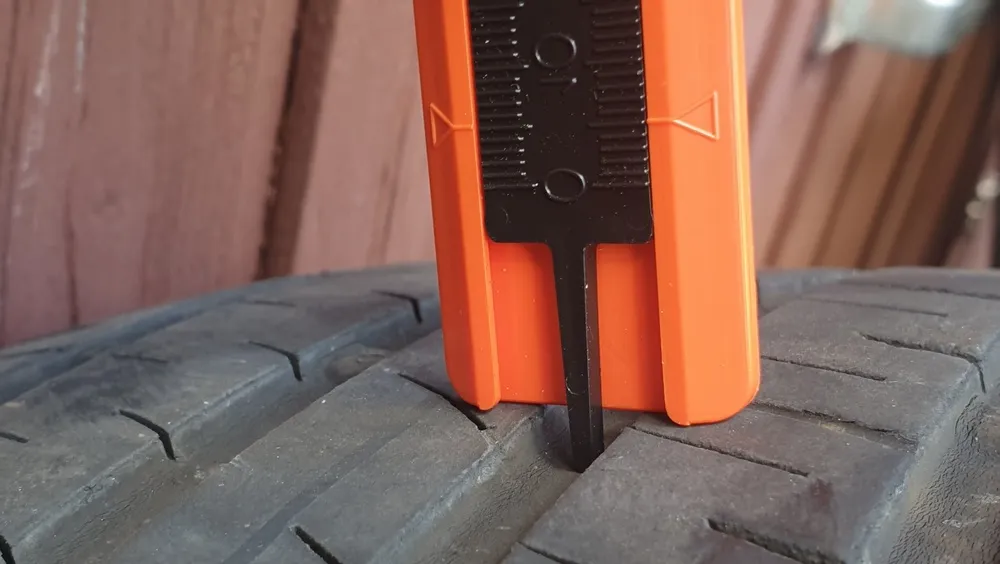
Tyres with plenty of visible tread and no obvious signs of damage may seem to have plenty of life left. If the tread still looks deep and there are no obvious cracks or punctures, it may seem reasonable to assume that they have plenty of life left.
However, tread wear alone does not determine whether a tyre remains suitable for use. Rubber changes as it ages, impacts can cause less obvious damage and recurring pressure loss may signal a problem that requires timely repair or replacement.
So, when should you change tyres that still appear usable? Understanding these signs can help you determine when your tyres should be assessed and whether replacement may be needed.
What Underlying Factors Can Affect a Tyre’s Condition?
A tyre can retain plenty of visible tread while other parts of it deteriorate. This is particularly relevant for cars that cover relatively little mileage, as their tyres may age before the tread reaches its wear limit.
Ageing Rubber
Tyres are made from rubber compounds designed to remain flexible enough to grip the road and withstand the forces generated while driving. These materials can gradually change over time.
Over time, exposure to heat, oxygen and the surrounding environment can affect the rubber. An ageing tyre may therefore have substantial tread remaining while its material has become less flexible than when it was new.
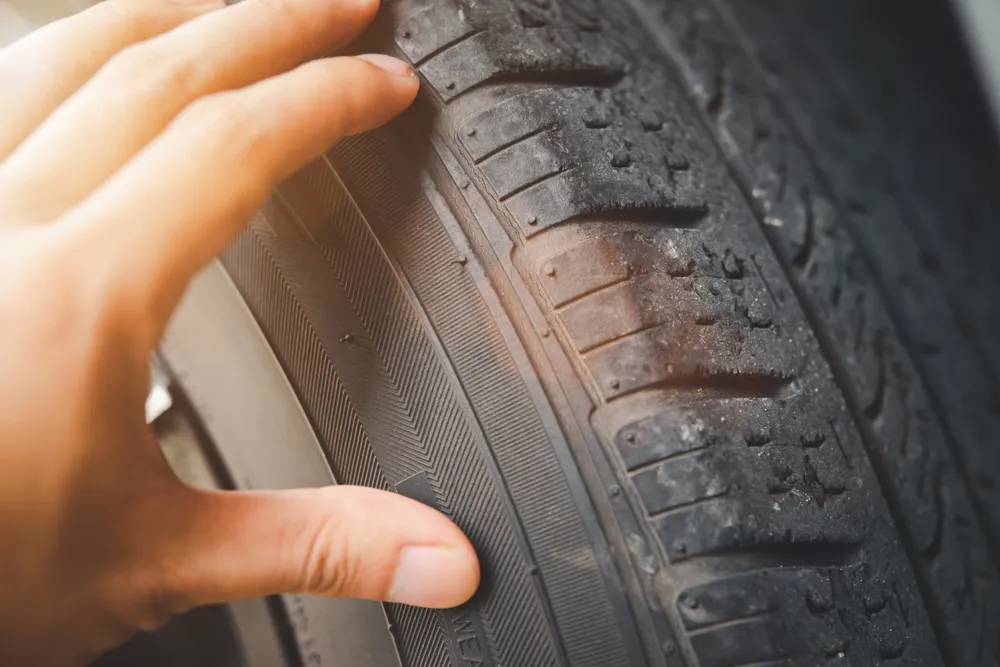
You can check a tyre's manufacturing date using the date code marked on its sidewall, which identifies the week and year of manufacture. This can give you a rough gauge of the tyre’s degradation rate.
Internal Damage From Impacts
Tyres also absorb impacts from potholes, kerbs and road debris. Sometimes the effect is obvious, such as a cut or bulge. In other cases, an impact may cause internal damage without producing an immediately noticeable change on its outer surface.
A tyre that has been driven while severely underinflated or flat may also sustain internal damage. Looking at the tread while the tyre remains fitted to the car may not reveal whether internal damage is present.
What Can Shorten a Car Tyre’s Lifespan?
How quickly a tyre deteriorates depends on what happens to it during everyday use. A car tyre’s lifespan can decrease if it is exposed to certain factors that place additional stress on it.
Incorrect Tyre Pressure
Driving with too little or too much air changes how the tyre contacts the road. Over time, incorrect inflation may contribute to uneven wear and additional stress on the tyre.
Tyre pressure should be checked regularly and periodically maintained according to the vehicle manufacturer's recommendations. If a tyre repeatedly loses pressure after inflation, it should be inspected for possible causes such as a puncture, leaking valve or wheel damage.
Driving Conditions and Impacts
Driving habits and road conditions can affect how quickly tyres wear or become damaged. Frequent impacts with potholes and kerbs can damage tyre structures, while harsh braking, rapid acceleration and aggressive cornering can accelerate tread wear.
Regularly carrying heavy loads can also place additional stress on tyres, particularly when tyre pressures are not adjusted according to the vehicle manufacturer's recommendations.
Environmental conditions also play a role. Singapore's warm climate exposes tyres to consistently high temperatures, which can contribute to rubber ageing over time.
Wheel Alignment and Mechanical Problems
Incorrect wheel alignment can cause uneven tread wear, shortening a tyre's usable lifespan. Worn suspension components or other mechanical faults can also contribute to abnormal wear patterns.
Replacing worn tyres without correcting these underlying problems can cause the same wear patterns to develop on the new tyres.Regular vehicle maintenance can help identify and address these issues before they cause further tyre wear.
When Should You Have a Tyre Checked or Replaced?
Tyres should be inspected when there are signs of damage, recurring pressure loss or other changes that could affect their safety and performance. While some problems can be repaired, others may require the tyre to be replaced.
Consider arranging an inspection if:
- A tyre repeatedly loses pressure after being inflated correctly
- The car has recently hit a significant pothole or kerb
- You notice vibration or a change in how the vehicle feels while driving
- You are unsure how old the tyres are or how they were previously used
- A tyre has been driven while flat or substantially underinflated
A professional inspection can assess areas beyond the tread surface and help identify damage that may not be apparent while the tyre is mounted.
Replacement may be recommended where damage is not considered suitable for repair, when there are signs of structural damage or when the tyre’s age and overall condition indicate that replacement should be considered.
Making Informed Tyre Replacement Decisions With AL Tyres
Tyres can develop problems that are not immediately apparent from their tread condition. If you notice recurring pressure loss, signs of damage or other concerns about your tyres' condition, a professional assessment can help establish whether repairs are sufficient or replacement is necessary.
At AL Tyres, we provide tyre inspection, repair and replacement services across our workshops in Singapore. Our team can assess your tyres' condition, identify potential problems and recommend suitable solutions to help you maintain safe and reliable performance on the road.
If you are unsure whether your tyres need replacing, contact us to arrange an inspection.
Frequently Asked Questions About Tyre Replacement

AL Tyres Online
Chat with us